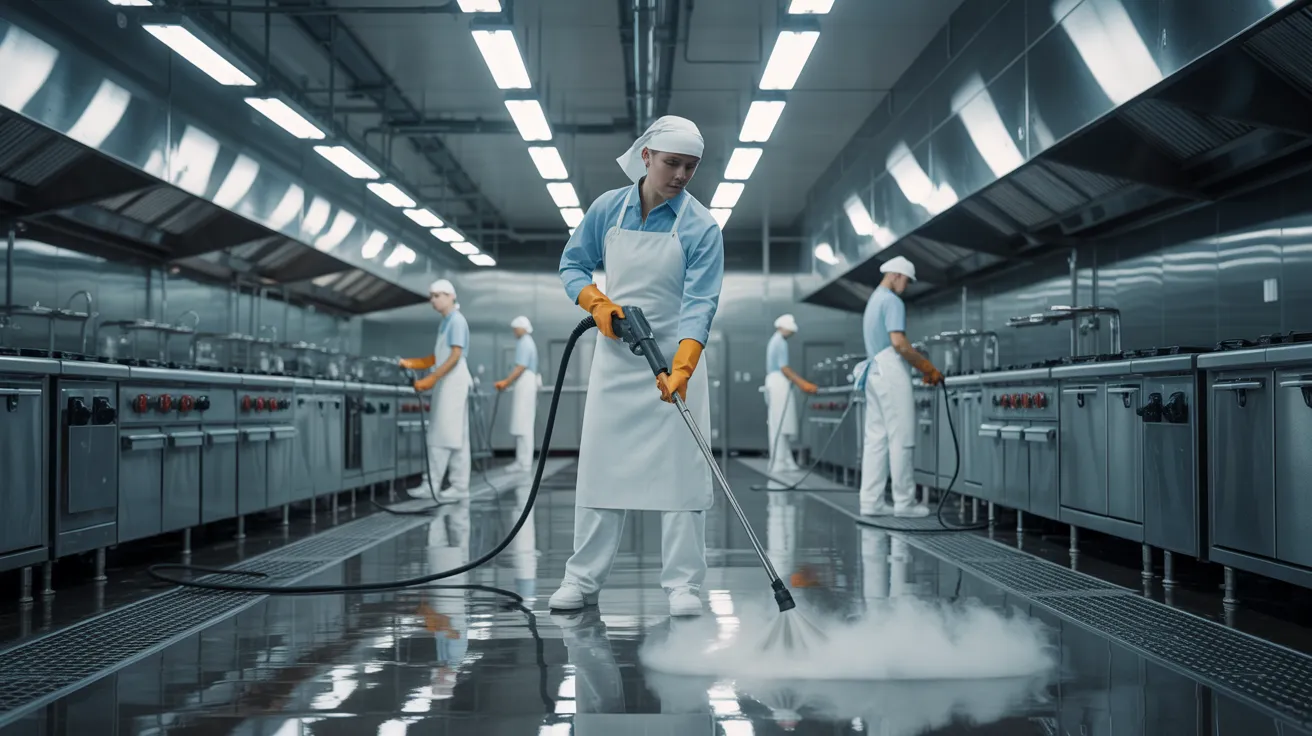
Commercial cleaning and food safety professionals in Brampton support restaurants, food centers, bakeries, warehouses, and food service operations maintaining standards. They decontaminate high-contact points, food contact areas, equipment, floors, drains, restrooms, and prep zones using certified products, maintaining proper ratios, and recording exposure duration. You need regular sanitation determined by hazard level, food throughput, allergens, and inspections, plus verification records backing Hazard Analysis Critical Control Points, quality reviews, and regulatory adherence. The following information explains how effective cleaning systems should include.
Main Points
- Brampton food safety cleaning experts support restaurants, grocery departments, commissaries, warehouses, bakeries, schools, mobile vendors, and allergen-sensitive operations.
- High-touch surfaces, food-contact equipment, kitchens, floors, drains, restrooms, and storage areas are disinfected using sectional methods to eliminate cross-contamination.
- Certified contractors confirm approved sanitizer dilution, compatibility, and contact time, then log finishing with swabs, assessments, and action records.
- Effective cleaning timelines account for threat, production volume, transitions, accidents, and requirements when designating regular, weekly, and cyclical operations by area.
- Coverage, coded equipment, hazard analysis knowledge, public-health competency, safety training preparation, testimonials, and compliance-ready sanitation files are critical provider characteristics.
Brampton Venues That Need Food Safety Cleaning: Which Ones?
Food safety cleaning is mandatory for any Brampton facility that handles, maintains, prepares, packages, or offers food. Apply it to your facility if it comes under health inspections, food codes, or HACCP requirements. This includes dining establishments, break rooms, distribution centers, market departments, meat shops, fish areas, stores, and food prep kitchens.
Adherent hygiene cleaning is equally necessary in storage warehouses, production plants, freezer facilities, bakeries, school nutrition services, reception halls, and meal delivery centers. Mobile and temporary establishments count as well, like mobile kitchens, market vendors, and seasonal booths. Your location requires written cleaning standards should your team handle raw materials, divide see this article prepared foods, warm meals, or maintain allergen storage. In Brampton, hygiene stays voluntary; it constitutes regulatory, business, and safety requirements.
What Do Brampton Cleaning Professionals Handle?
You need cleaning experts who disinfect frequently contacted areas, kitchen areas, floors, and bathrooms to comply with food safety and health regulations. They target these areas because they present the highest risk for contamination spread, slipping risks, and hygiene violations.
If you grasp what they sanitize, you'll successfully ensure your facility meets required operational and regulatory standards.
Emphasizing High-Touch Surface Cleaning
develop a sterilization plan
By swapping towels, maintaining directional processes, and organizing cleaning supplies according to zone, you maintain a quantifiable, documented, and ready for inspection sanitizing plan.
Kitchen Areas, Floor Surfaces, and Bathroom Spaces
Brampton cleaning professionals will address kitchens, floors, and restrooms since each space presents different food safety concerns, slip-and-fall, and community health challenges. In industrial kitchens, you need grease removal from cooking stations, appliance surfaces, drain systems, preparation areas, and backsplashes to minimize contamination and pest pressure.
Professional floor care with documentation is also included. is also provided as part of the service.
For restroom sanitation, cleaners disinfect high-touch surfaces, bathroom fixtures, stall dividers, supply dispensers, and trash receptacles, then restock supplies and control odours. They also service restaurant moprooms, where chemical storage, sink hygiene, and drainage conditions can affect sanitation compliance and staff safety daily.
Why Food Safety Cleaning Matters in Brampton
In Brampton, you must copyright food-safe cleaning standards to satisfy regulatory standards and achieve compliance. You also minimize bacterial spread through proper cleaning of food-preparation surfaces, appliances, and frequently-touched items. Most importantly, you safeguard community wellness by reducing the chance of food poisoning in your establishment.
Health Code Compliance
Because Brampton food establishments operate under rigorous sanitary regulations, food safety cleaning directly determines your capacity to satisfy health code requirements, protect customers, and prevent enforcement action. You must maintain sanitary food-contact surfaces, documented cleaning schedules, correct sanitizer application, and auditable operational standards that align with municipal and provincial inspection expectations.
During inspections of your operation, officials determine if your cleaning program ensures safe storage, appliance cleanliness, waste handling, and facility cleanliness.
Cross-Contamination Control
Following health code standards depends on your skill in stopping cross-contamination in routine food work and sanitation. You should isolate raw items from prepared foods, sanitize prep surfaces between tasks, and store chemicals away from food-contact items. Clear procedures reduce transfer risks and promote steady regulatory adherence.
Implementing allergen separation helps ensure major allergens don't touch shared surfaces, containers, or equipment. Utilize separate boards, color-labeled items, and strict utensil labeling so workers don't combine products during preparation or service. Enforce hand hygiene following fresh proteins, aquatic items, egg products, or allergen materials. Replace wiping cloths regularly, and validate disinfectant levels using test strips. When your team learns these guidelines every shift, you create a cleaner, safer operation that satisfies Brampton's food safety needs regularly.
Community Health Protection
When food safety cleaning deteriorate, you don't only face inspection setbacks—you expand the chance of foodborne illness striking customers, staff, and the larger Brampton community. You also undermine your responsibility in safeguarding community wellness, especially in high-traffic food premises where contamination can spread quickly through surfaces, equipment, and touchpoints.
You need sanitation systems that remove contaminants, disinfect appropriately, and validate outcomes. This involves maintaining contact periods, using authorized sanitizers, logging schedules, and coaching employees to meet regulatory requirements. These controls promote pathogen control by decreasing microbial counts before reaching surfaces or food. Throughout Brampton, strong cleaning protects vulnerable communities, reduces outbreak risk, and proves accountability. When you adhere to standards, you exceed regulations—you lower hazards and facilitate secure food handling throughout the area.
How Does Cleaning Support Food Safety Compliance?
Maintaining rigorous cleaning routines ensures food safety compliance by minimizing contamination hazards, managing pathogen expansion, and keeping your facility meeting sanitation requirements under HACCP-based programs and public health regulations. You verify that food-handling surfaces are visibly clean and microbiologically controlled, supporting documented preventive controls and inspection readiness.
Proper cleaning procedures also reinforce allergen mitigation by eliminating residues that can trigger undeclared allergen exposure.
When Do You Schedule Commercial Cleaning?
You'll get the best results from cleaning schedules that incorporate risk, production volume, and regulatory requirements rather than a rigid calendar system alone.
Regular tasks ought to be planned separately
Selecting the Right Brampton Cleaning Experts: Key Considerations
Evaluate providers first by sanitation compliance standards rather than price alone. You must ensure each provider understands CFIA, public health, and HACCP-aligned expectations for your business. Request proof of insurance, WHMIS compliance, staff training documentation, and supervision methods. Check technician understanding of contamination prevention, chemical safety, and documented sanitation practices.
You should also assess operational reliability and accountability. Request references from food facilities in Brampton, then examine turnaround periods, corrective-action procedures, and communication standards. Confirm the company participates in supplier audits and can present audit-ready records when regulators or third parties request evidence. Check whether equipment is maintained is performed, color-coded implements are used appropriately, and site-specific hazards are recognized. A competent service protects regulatory adherence, product integrity, and your brand reputation.
What details should a sanitation plan contain?
Create a documented strategy that defines every sanitation duty, guideline, and expectation prior to beginning production. You should document cleaning schedules, authorized products, mixing ratios, exposure periods, equipment, and testing procedures for each area, section, and machine. Be sure to include pre-operational inspections, corrective actions, and employee training requirements.
Your framework should also include cross-contamination prevention, waste disposal, pest management measures, and scheduled documentation for bathrooms, drainage, ground surfaces, and food-handling zones. Clarify how you'll distinguish raw from ready-to-eat operations, help with ingredient tracking, and copyright accurate allergen labeling through validated cleaning between product changes. You should define accountability, maintain signed records, and check results against regulatory standards, HACCP controls, and customer requirements. When gaps appear, revise procedures immediately and re-educate staff.
Commonly Requested Inquiries
Are cleaning services available for nighttime operations in Brampton properties?
If you run regulated facilities, you'll also require documentation that support inspections and ensure compliance.
Do Brampton cleaning experts offer emergency spill response solutions?
Yes, you can expect Brampton sanitation professionals who offer emergency spill response solutions. They handle contamination, assess risks, contain contamination, and begin swift cleanup to reduce exposure and prevent business interruption. You should confirm response times, professional credentials, PPE protocols, and waste management. If your facility must meet regulatory requirements, select a service that documents incidents, maintains regulatory procedures, and enables compliance verification.
Are environmentally safe disinfectants safe for surfaces contacting food?
Absolutely, natural disinfectants are suitable for food-handling equipment when you pick items marked food-safe and satisfying regulatory requirements. You must verify application timing, dilution ratios, and rinse procedures ahead of deployment. Plant-derived products reduce toxic chemical contact, though you should gather proof of efficacy against harmful bacteria. For keeping surfaces residue-free, follow exact manufacturer guidelines and confirm your disinfectant meets food sanitation requirements.
Can sanitation programs change with production fluctuations?
Absolutely, cleaning plans are customizable for seasonal production changes. Adapt frequencies, staffing, disinfectants, and confirmation procedures to match production rhythms while upholding regulatory compliance. Minimize operational delays through planning sanitization during line changes, maximum output, and usage cycles. Also revise standard operating procedures, training, and facility monitoring to capture seasonal hazards, novel allergens, or increased soil loads. Continuous reviews ensure the plan functional.
Are professional cleaning companies providing staff training on sanitation best practices?
Certainly, commercial cleaners coach your employees on hygiene protocols. You obtain employee development on proper chemical use, processing times, cross-contamination prevention, machine disassembly, and documentation. They typically align coaching with HACCP, GMP, and CFIA or regional health bodies requirements. Many execute sanitation audits to check standards, identify gaps, and reinforce corrective actions. This enables you to maintain consistent procedures, satisfy audits, and minimize foodborne pathogen risks daily.
Closing Remarks
Through engaging Brampton commercial cleaning and food safety specialists, you do far more than tidy—you ensure your facility for audits and your standards meet requirements. From kitchen spaces to processing areas, all clean areas and kept corners reduce contamination risks and prevent significant costs. Through scheduling maintenance at proper intervals and adhering to a comprehensive cleaning program, you ensure protection for your team, clients, and your good name. In a tightly controlled regulatory landscape, proper sanitation must be a priority—they are fundamental to success.